Common problems with wedding flowers in Keston church venues
Posted on 19/10/2026
Wedding flowers can transform a Keston church into something quietly magical. The right flowers soften stone, lift a narrow aisle, and make even a chilly February service feel warm and personal. But let's be honest: church venues are not the easiest places for floral styling. The most common problems with wedding flowers in Keston church venues usually come down to timing, scale, church rules, weather, and the simple fact that old buildings behave differently from modern event spaces. In this guide, we'll look at what tends to go wrong, why it matters, and how to avoid the awkward last-minute scramble.
Whether you are choosing a bridal bouquet, planning pew ends, or coordinating flowers for the altar and reception, a bit of local know-how goes a long way. If you want to browse wedding-specific options early, you may also find our wedding collection and the dedicated wedding flowers in Keston BR2 page useful while you plan.
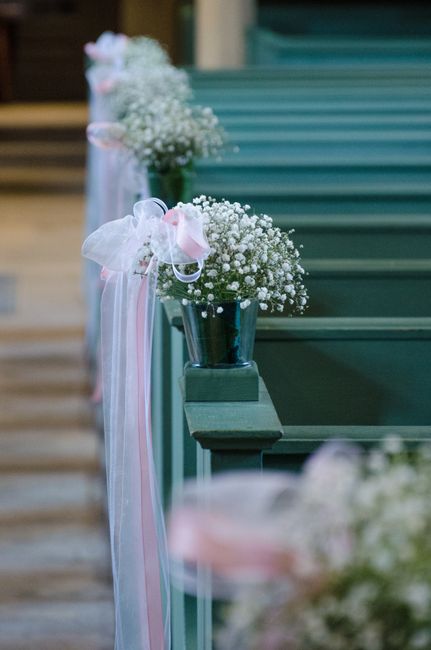
Table of Contents
- Why Common problems with wedding flowers in Keston church venues Matters
- How Common problems with wedding flowers in Keston church venues Works
- Key Benefits and Practical Advantages
- Who This Is For and When It Makes Sense
- Step-by-Step Guidance
- Expert Tips for Better Results
- Common Mistakes to Avoid
- Tools, Resources and Recommendations
- Law, Compliance, Standards, or Best Practice
- Options, Methods, or Comparison Table
- Case Study or Real-World Example
- Practical Checklist
- Conclusion
- Frequently Asked Questions
Why Common problems with wedding flowers in Keston church venues Matters
Church weddings have their own rhythm. Services begin on time, movement is more structured, and the building itself often has restrictions that a hotel or marquee does not. That means flowers do more than decorate a space. They have to fit the venue, respect the setting, and survive the ceremony without becoming an obstacle. When they do not, the effect is immediate. A bouquet may feel too bulky to hold comfortably. A pedestal arrangement may block sightlines. A damp floral foam base might drip on stone flooring. Small things, but they add up fast.
In Keston, many couples are working with a venue that has character rather than uniformity. That is lovely, obviously. It also means you need arrangements that work around steps, pews, side aisles, limited setup time, and sometimes patchy access for delivery. The challenge is not just making the flowers look beautiful on the day. It is making them behave properly in the building. That is where most problems start.
Common issues also matter because flowers are often one of the first things guests notice. They set the tone before the vows begin. If they are underprepared, mismatched, or poorly placed, the whole service can feel less polished than it should. And truth be told, nobody wants to be thinking about a collapsing buttonhole five minutes before the bride walks in.
How Common problems with wedding flowers in Keston church venues Works
To understand the problems, it helps to understand how wedding flowers are usually arranged for a church ceremony. There are three layers: personal flowers, ceremony flowers, and transfer flowers for the reception. Personal flowers include bridal bouquets, bridesmaid bouquets, buttonholes, and corsages. Ceremony flowers include altar arrangements, pedestal pieces, pew ends, aisle markers, or floral arches where allowed. Transfer flowers are the arrangements that move from church to reception, so they pull double duty.
In a church venue, each layer has different pressure points. Bridal bouquets need to be easy to hold while walking and kneeling. Buttonholes need to stay secure on fabric without drooping. Ceremony flowers need to suit the scale of the building. If the church is tall and airy, tiny arrangements can disappear. If the church is intimate, oversized pieces can feel heavy and intrusive. Somewhere in the middle is the sweet spot, and getting there takes a bit of judgement.
There is also timing. Flowers are often delivered shortly before the ceremony to keep them fresh, especially in warmer weather. That can create a narrow setup window. If there is another service, a choir practice, or a funeral nearby, the florist may have even less time to work. That is why problems often show up as logistics before they show up as aesthetics. The flowers themselves may be fine. The schedule is the part that gets messy.
One more thing that often gets missed: churches can be beautiful but cool inside, with shaded interiors and uneven light. Flowers chosen only from a photograph may look different once placed near stone, stained glass, or dark wood. White blooms can appear softer. Pale blush shades may read almost cream. Strong reds may look more dramatic than expected. Not bad, just different. And different needs planning.
Key Benefits and Practical Advantages
It might sound odd to talk about benefits when the topic is "problems," but there is a useful side to this. Once you know the common failure points, you can make better decisions and save yourself a fair bit of stress.
- Better visual balance: Flowers that fit the church scale feel elegant rather than crowded.
- Less last-minute stress: Planning for access, setup time, and weather reduces panic on the day.
- Longer-lasting arrangements: Choosing hardier stems and sensible mechanics helps flowers stay fresh through the service.
- More reliable photos: Well-placed flowers improve ceremony images without distracting from the couple.
- Clearer budget control: Avoiding oversize or impractical designs keeps spend focused on visible impact.
A good floral plan also helps with flow. Guests know where to look. The registrar or officiant has a clear aisle. The couple can move naturally without nudging a display out of the way. In a church setting, that sense of calm is a real advantage. Not flashy. Just quietly right.
Expert summary: The best wedding flowers for Keston church venues are usually the ones that respect the building first, then elevate it. Beautiful is good. Practical and beautiful is better.
Who This Is For and When It Makes Sense
This guide is for couples planning a church wedding in Keston, of course, but it is also for anyone helping behind the scenes: parents, wedding planners, ushers, and florists coordinating the day. If you are working with a church that has narrow entrances, limited parking, heritage features, or strict setup windows, the advice here will probably save you a headache or two.
It also makes sense if your wedding flowers need to serve more than one purpose. For example, you may want an arrangement that works for the ceremony, then moves to the top table or reception entrance later. That is a smart move in a church wedding, because it stretches the budget. But it only works if the design is portable and sturdy enough. Otherwise, you end up moving tired flowers from one place to another. Nobody wants that. Poor little blooms.
You will especially benefit from this if you are:
- planning a small to medium church ceremony and want elegant, not excessive, flowers
- choosing seasonal flowers and need them to hold up indoors and outdoors
- working to a tighter budget and want maximum impact from fewer arrangements
- unsure how much freedom the church gives for decor
- trying to coordinate delivery, setup, and collection across two venues
Step-by-Step Guidance
Here is a simple way to reduce the most common problems with wedding flowers in Keston church venues. Keep it practical. Keep it calm.
- Start with the church layout. Ask where the aisle begins and ends, how much space exists near the altar, and whether anything blocks the view. Even a quick walk-through makes a big difference.
- Clarify what is allowed. Some churches welcome pew ends and freestanding arrangements; others prefer minimal decor or no adhesive fixings. Get the boundaries early.
- Choose your focal points. You rarely need flowers everywhere. A strong bouquet, altar arrangement, and a few pew markers can be enough. Less can genuinely feel more.
- Match scale to the building. Tall churches need presence. Smaller chapels need restraint. This is where good judgement matters more than trend chasing.
- Plan for transport. Keep delicate items in water where possible and think about how they will travel in a car. A bouquet rolling around on a seat? Not ideal.
- Check timing with the florist and the church. Delivery slots can be tight. Aim to avoid the "everyone is waiting and nobody is smiling" situation.
- Build in a backup plan. If weather is hot, windy, or wet, know which items can be carried in last and which need extra protection.
- Decide what moves to the reception. Reusing flowers can be efficient, but only if the arrangements are designed for it from the start.
A small but useful tip: take photos of the church interior at the same time of day as your ceremony if you can. Light shifts everything. A flower that looks soft and romantic in the morning may feel very different by late afternoon, especially under a mix of daylight and candlelight. These little details matter more than people think.
Expert Tips for Better Results
After a lot of floral planning, one thing becomes clear: the best results usually come from simplifying the brief before styling it up. Fancy is fine, but church venues reward restraint and precision.
- Use sturdy blooms where they need to last. Roses, lilies, alstroemeria, chrysanthemums, and other dependable stems can work well when the arrangement needs staying power.
- Keep bouquets comfortable. A bridal bouquet should look full without becoming awkwardly heavy. If the bride has to keep readjusting it, that will show.
- Think in layers, not overload. One strong statement arrangement often does more than several small pieces competing for attention.
- Respect the building's colours. White flowers against pale stone can feel serene; deeper tones bring contrast in darker interiors.
- Prepare for the walk in and out. Anything that touches the aisle, pews, or kneelers needs to be secure and sensible, not just pretty in theory.
One practical example: if the church entrance is narrow and the aisle turns sharply near the front, a long trailing bouquet may catch on coats, hands, or the edge of a rail. A more compact rounded design might actually photograph better and feel easier to carry. That is the sort of decision people rarely regret later.
And to be fair, not every arrangement needs to be dramatic. Sometimes a beautifully tied bouquet, a neat set of buttonholes, and one well-positioned ceremony spray are enough to make the whole day feel cohesive. Simple. Clean. Lovely.
Common Mistakes to Avoid
This is where many wedding flower plans wobble. Usually not because anyone has done something wildly wrong, but because a few small assumptions slip through.
- Ignoring the church's rules. Never assume candles, petals, tape, or hanging decor will be allowed without asking.
- Choosing flowers that are too large. Oversized displays can overwhelm a small sanctuary or block the view from pews.
- Forgetting the temperature inside the church. Old buildings can be cool and humid in one corner, warmer in another. Flowers react to that.
- Leaving the delivery too late. Same-day timing is possible in some cases, but only if the schedule is tightly coordinated.
- Not planning the move to the reception. If flowers are meant to be reused, they need to be built for transport from the start.
- Overcomplicating colour choices. Too many shades can look muddled in a historic space. Two or three well-chosen tones usually work better.
Another common issue is underestimating how much support the flowers need. A bouquet may need hydration. A pedestal arrangement may need a stable base. Buttonholes need secure pinning. It all sounds obvious when written out, but the day itself moves fast, and obvious things can vanish from memory. Happens to everyone.
Tools, Resources and Recommendations
You do not need a pile of fancy tools to get wedding flowers right in a church venue, but a few simple resources can help keep everything on track.
- Venue notes: Measure aisle width, altar space, and any steps or narrow entrances.
- Reference photos: Bring clear images of the church interior, not just inspiration pictures from elsewhere.
- Colour swatches: Helpful if you are matching flowers to dresses, ribbons, or church decor.
- Transport containers: Especially useful for bouquets, buttonholes, and anything delicate in warm weather.
- Order list: A written list of ceremony flowers, personal flowers, and any pieces being moved to the reception.
If you are deciding on specific wedding items, it can help to look at coordinated pieces together rather than one by one. For example, a matching set from bridal bouquets, bridesmaid bouquets, buttonholes, and table arrangements can make the overall look feel more intentional. If you prefer a softer, more curated route, the I Cherish You wedding collection is a good example of a joined-up approach.
For delivery timing and flower condition, the practical pages on delivery and flower care are worth checking early. That sounds a bit mundane, I know, but a wedding flower plan often succeeds or fails on the boring details. The boring details are the heroes here.
Law, Compliance, Standards, or Best Practice
Church weddings are not usually about legal complexity in the way some event setups are, but there are still standards and expectations worth following. The most important ones are usually practical rather than formal.
First, follow the church's own guidance. Many churches have their own policies about where flowers can be placed, how fixtures may be attached, whether petals can be scattered, and what must be removed after the service. Those instructions should be treated as the baseline, not optional extras.
Second, consider accessibility and safety. Arrangements should not create trip hazards in the aisle or around steps. Loose wiring, unstable stands, and overflowing displays can become a problem quickly, especially when guests are moving in formal shoes on a sometimes uneven surface. A calm-looking church interior is lovely; a safe one is essential.
Third, use best practice for fresh flowers in enclosed or historic spaces. That usually means secure containers, water-safe mechanics where appropriate, and materials that will not leave residue on stone, wood, or fabric. If a florist is using floral foam or similar support, the question should not just be "Will it hold?" but also "Will it work cleanly in this venue?"
Finally, if you are using candles, open flames, or anything similar, check the venue's rules carefully. Historic churches often take fire safety seriously, for understandable reasons. Even when something is permitted, it may need to be positioned with care. Better safe than sorry, honestly. Weddings have enough moving parts already.
Options, Methods, or Comparison Table
When planning wedding flowers for a church venue, couples usually choose between a few common approaches. Each has strengths, and each has a few weaknesses.
| Approach | Best for | Pros | Possible downside |
|---|---|---|---|
| Minimal ceremony styling | Smaller churches, tighter budgets, simpler weddings | Elegant, affordable, easy to set up | May feel understated in a large space |
| Statement altar + personal flowers | Balanced, classic church weddings | Strong focal point without clutter | Needs careful scale planning |
| Pew ends and aisle accents | Long aisles and more traditional services | Creates a clear floral pathway | Can take longer to install and remove |
| Transferable ceremony flowers | Couples reusing flowers at the reception | Good value, efficient use of blooms | Must be designed for transport from the start |
For many Keston church weddings, the second option is the safest all-rounder. It gives the ceremony enough presence without tipping into over-decoration. If your church is ornate already, that matters even more. Flowers should support the room, not fight it.
Case Study or Real-World Example
Picture a spring wedding in a Keston church on a breezy Saturday morning. The couple wants white and green flowers, with a few soft blush accents, and they hope to move the altar arrangements to the reception afterwards. Nice idea. Very sensible too. But there are a couple of complications: the church has a narrow side entrance for deliveries, the aisle is not especially wide, and the service starts not long after a baptism rehearsal ends. Tight. Very tight.
The solution is to simplify the design rather than scale it up. The bridal bouquet is kept compact and comfortable to carry. The bridesmaids have lighter, matching hand-tied bouquets. Two strong altar arrangements anchor the ceremony space, while the pew ends are limited to the front rows where guests will actually notice them. Instead of fragile, loosely packed stems, the florist uses sturdier blooms and builds in enough hydration to cope with the transfer to reception later in the day.
The result is calm rather than crowded. Guests can see clearly. The couple moves without fuss. The flowers in the photographs look full and fresh because they are not fighting the room. Nothing dramatic happened, which is usually the point. When the flowers do their job quietly, the day feels smoother all round.
That kind of result is often what you want in a church venue. Not theatrical. Just right.
Practical Checklist
Use this checklist before finalising your wedding flowers for a church venue in Keston.
- Confirm the church's floral rules and any restrictions
- Measure aisle width, altar space, and access points
- Decide which flowers are personal, ceremony, and reception pieces
- Choose blooms that suit the season and the indoor temperature
- Check whether arrangements need to be moved after the ceremony
- Ask how delivery and setup will work on the day
- Make sure buttonholes, corsages, and bouquets are comfortable to wear or carry
- Choose colours that will look good in church lighting
- Plan for collection, reuse, or disposal after the event
- Keep a written list of all items and timings
If you can tick off most of those before the week of the wedding, you are already ahead of the game. Not perfect, maybe. But very close.
Conclusion
The common problems with wedding flowers in Keston church venues are usually practical, not poetic. They come from space, timing, access, light, and the special requirements of a church setting. Once you know what to watch for, the whole process becomes much more manageable. You can choose flowers that fit the building, protect the budget, and still feel personal and beautiful.
The best wedding flowers do not simply look pretty in isolation. They work with the ceremony, the people, and the venue itself. That is especially true in churches, where tradition and atmosphere already do a lot of the heavy lifting. Your flowers should quietly complete the picture.
If you are still at the planning stage, start with the venue layout, choose your key arrangements, and keep the design focused. Simple is not boring. Simple is often smart. And on a wedding day, smart is a blessing.
Get a free quote today and see how much you can save.
With a little care and the right floral choices, your church wedding can feel calm, elegant, and genuinely memorable in all the right ways.
Frequently Asked Questions
What are the most common problems with wedding flowers in Keston church venues?
The most common issues are poor timing, flowers that are too large for the space, venue restrictions, awkward delivery access, and arrangements that do not suit church lighting or temperature.
Can I use any flowers I want in a church wedding?
Not always. Some churches allow a lot of freedom, while others have rules about placement, candles, petals, and attachments. It is always best to check first.
Are church wedding flowers more expensive than venue flowers?
They can be, depending on the number of arrangements and the style you choose. However, careful planning and reusing ceremony flowers at the reception can help control costs.
What flowers work best in a church setting?
Flowers that hold up well indoors and keep their shape tend to work best. Roses, lilies, alstroemeria, chrysanthemums, and mixed seasonal designs are all common choices.
How early should I book wedding flowers for a church wedding?
The sooner the better, especially if you want specific flowers or a particular style. Early booking also gives you time to check venue rules and delivery logistics.
Should I choose flowers that match the church interior?
Yes, that usually helps. You do not need an exact match, but colours that complement stone, wood, and stained glass often look more refined in photos and in person.
What if the church is small and I still want lots of flowers?
In a smaller church, it is usually better to choose fewer but stronger focal pieces. That gives impact without making the space feel crowded.
Can my ceremony flowers be moved to the reception?
Often, yes. But they need to be designed for transport from the start. Not every arrangement travels well, so ask your florist how it will be handled.
Do buttonholes matter as much as bouquets?
They do, in a subtle way. Buttonholes are small, but they help tie the wedding party together visually. Poorly secured ones can droop or detach, which is annoying on the day.
What should I ask the florist before the wedding day?
Ask about delivery times, setup, removal, venue restrictions, flower durability, and whether the arrangements can be reused later. Those questions usually prevent the biggest headaches.
Is it better to go for simple or elaborate church flowers?
It depends on the church size and style. In many Keston church venues, a simple, well-chosen design looks more elegant than a very elaborate one that fights the building.
How do I avoid flowers wilting before the ceremony?
Choose fresh flowers, keep them hydrated, avoid unnecessary delays, and make sure the florist knows the delivery schedule. Warm weather and long waiting times are the usual culprits.
What is the safest choice if I am unsure?
A balanced package with a bridal bouquet, a few supporting bouquets or buttonholes, and one or two ceremony focal arrangements is usually a safe and attractive option. It is a steady, sensible approach that works in most church settings.